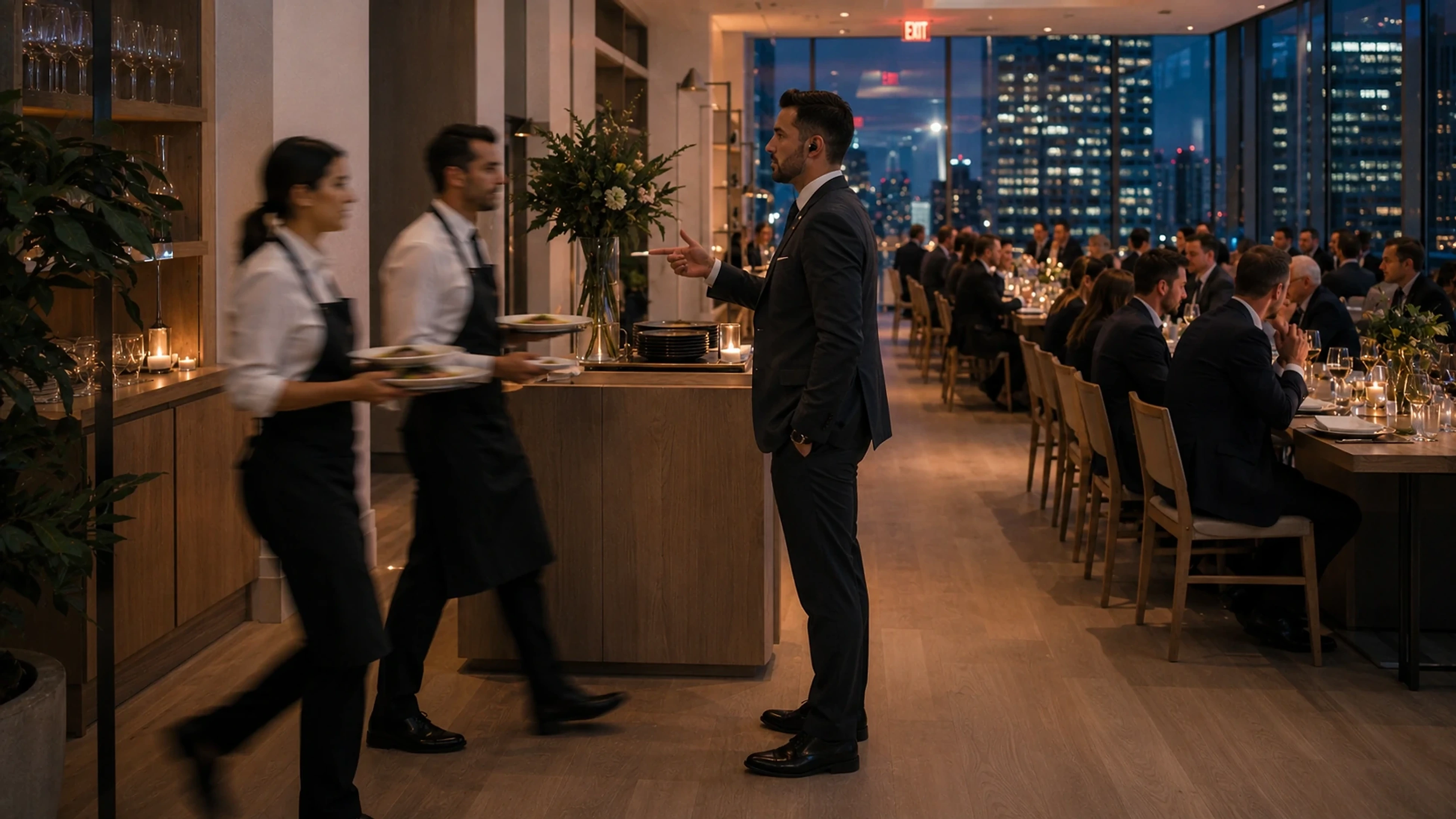
The corporate events landscape is undergoing a profound transformation. As organizations navigate new expectations around purpose, technology, and employee wellbeing, the events that represent them must evolve in kind. The most forward-thinking companies are no longer treating events as operational line items — they are investing in them as strategic brand experiences.
At Party Crew, we work with C-suite leaders and brand strategists worldwide. Here are the six defining trends we see shaping corporate events in 2025 — and how to implement them with intention and impact.
1. Immersive Experiences
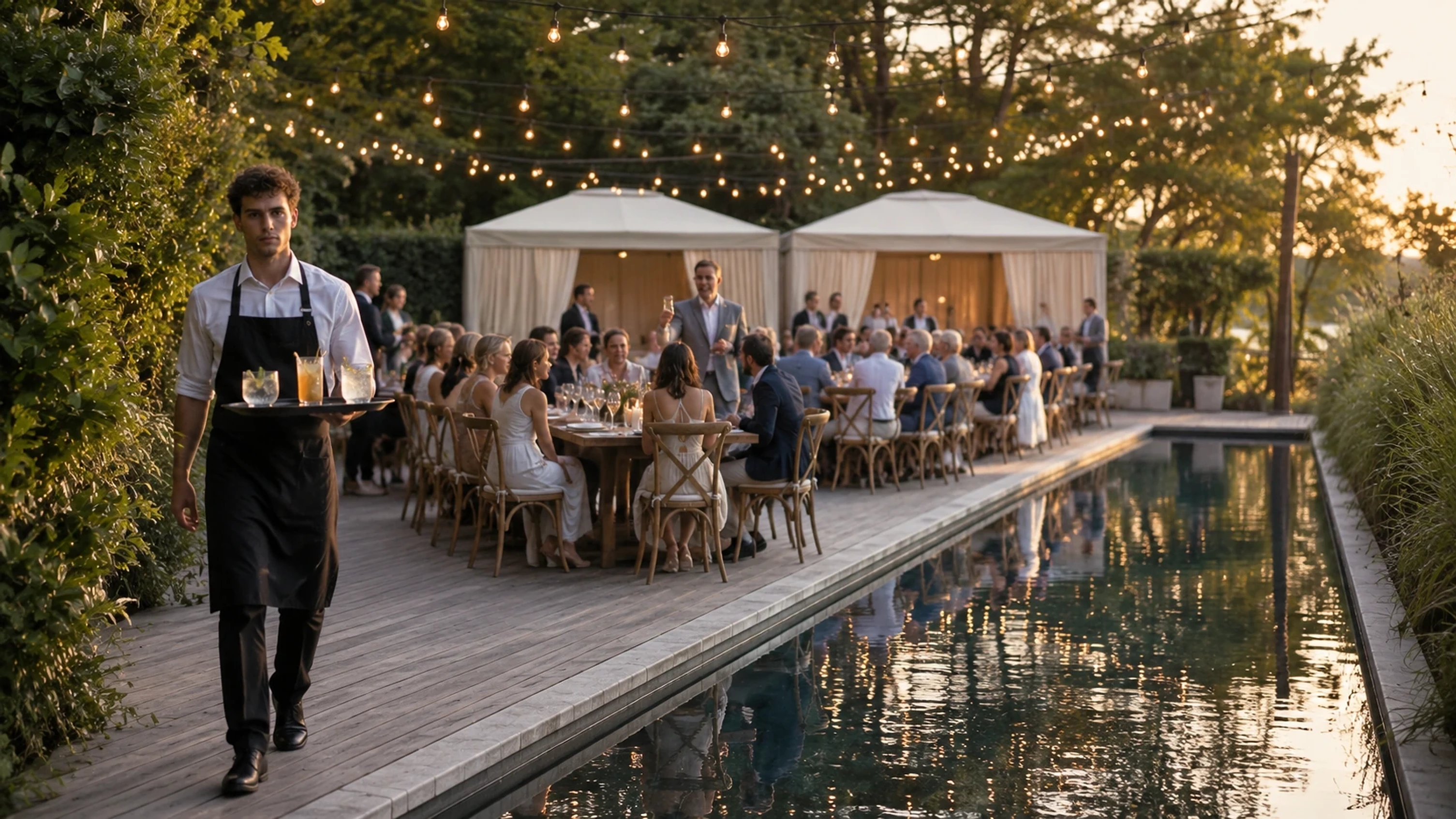
Passive attendance is over. In 2025, the most impactful corporate events are those that transform guests from spectators into participants. Immersive experiences — from multi-room narrative journeys to interactive installations that respond to touch and movement — are redefining what a conference, product launch, or awards gala can be.
The shift is driven by a simple truth: people remember what they do, not what they watch. Companies like BMW and Salesforce have already pioneered walk-through brand worlds that engage all five senses. Smaller organizations can achieve similar impact by designing a single signature moment — a scent-filled tunnel entrance, a live data visualization wall, or a choose-your-own- adventure breakout session — that becomes the centrepiece of conversation.
How to Start
Begin by identifying the single emotion you want your event to evoke. Build one immersive activation around that emotion and let it anchor the entire program. Quality of experience will always outperform quantity of features.
2. Sustainability as Standard
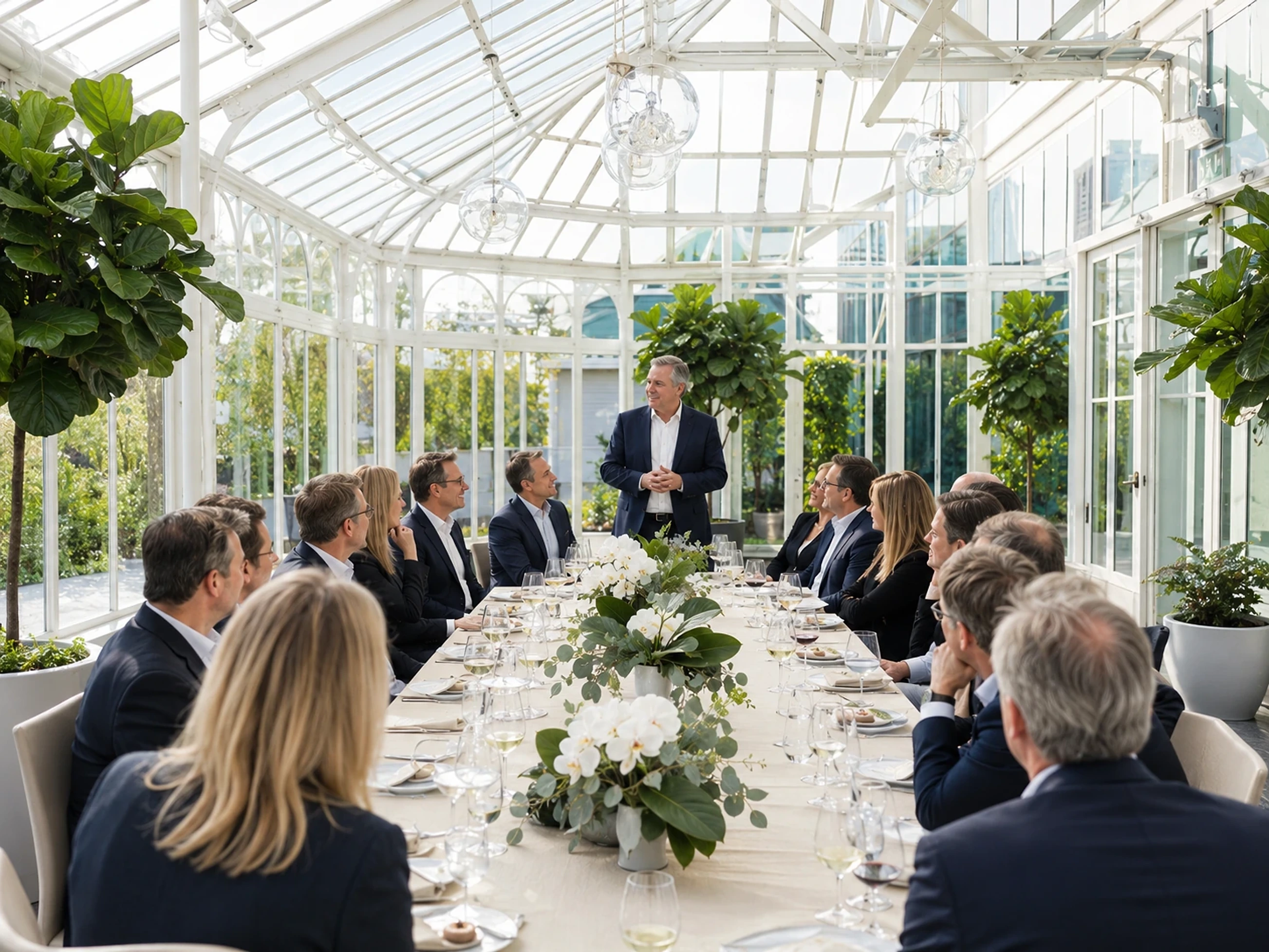
Sustainability is no longer a differentiator — it is a baseline expectation. Attendees, particularly younger professionals, actively evaluate the environmental credentials of events they attend. Companies that ignore this risk not just criticism, but disengagement.
Effective sustainable event design goes beyond eliminating single-use plastics. It encompasses local and seasonal catering, zero-waste floral design that uses potted plants and dried botanicals, carbon-offset travel programs, and digital-first communication that replaces printed collateral.
Measurable Impact
Leading organizations are now publishing post-event sustainability reports. These documents quantify waste diverted, carbon offset, local vendor spend, and charitable donation from surplus food. Transparency builds trust — and positions your brand as a genuine steward rather than a superficial one.
3. Hybrid Formats, Reimagined
The hybrid event has matured far beyond a livestream bolted onto an in-person conference. In 2025, the best hybrid experiences treat remote and in-person audiences as distinct user groups, each receiving a format designed specifically for their medium.
For in-person attendees, the value proposition is sensory, relational, and serendipitous — the kind of interaction that cannot be replicated on screen. For remote participants, the experience is designed around convenience, interactivity, and on-demand access. Think curated digital networking lounges, live polls that influence the program, and professionally produced content segments with broadcast-quality visuals.
The Dual-Track Approach
Instead of attempting to replicate the in-room experience for remote viewers, design a separate content track that leverages the strengths of digital: shorter sessions, interactive Q&A, behind-the-scenes access, and on-demand replays. The result is two excellent experiences rather than one compromised one.
4. Wellness Integration
The era of back-to-back sessions with continental breakfast as the only fuel is fading. Corporate events in 2025 are integrating wellness into the program architecture itself — not as an optional add-on, but as a core design principle.
This means thoughtful scheduling with genuine breaks (not “networking breaks” that are breaks in name only). It means nourishing food served at intervals that support energy, not just logistics. And it means offering restorative experiences — guided meditation, movement sessions, nature walks, or quiet rooms — as first-class program elements.
Why It Matters
Research consistently shows that cognitive performance and creative thinking peak after periods of rest and movement. Events designed with wellbeing at their core produce better outcomes: more engaged participants, higher-quality conversations, and significantly better post-event sentiment scores.
5. AI-Powered Personalization
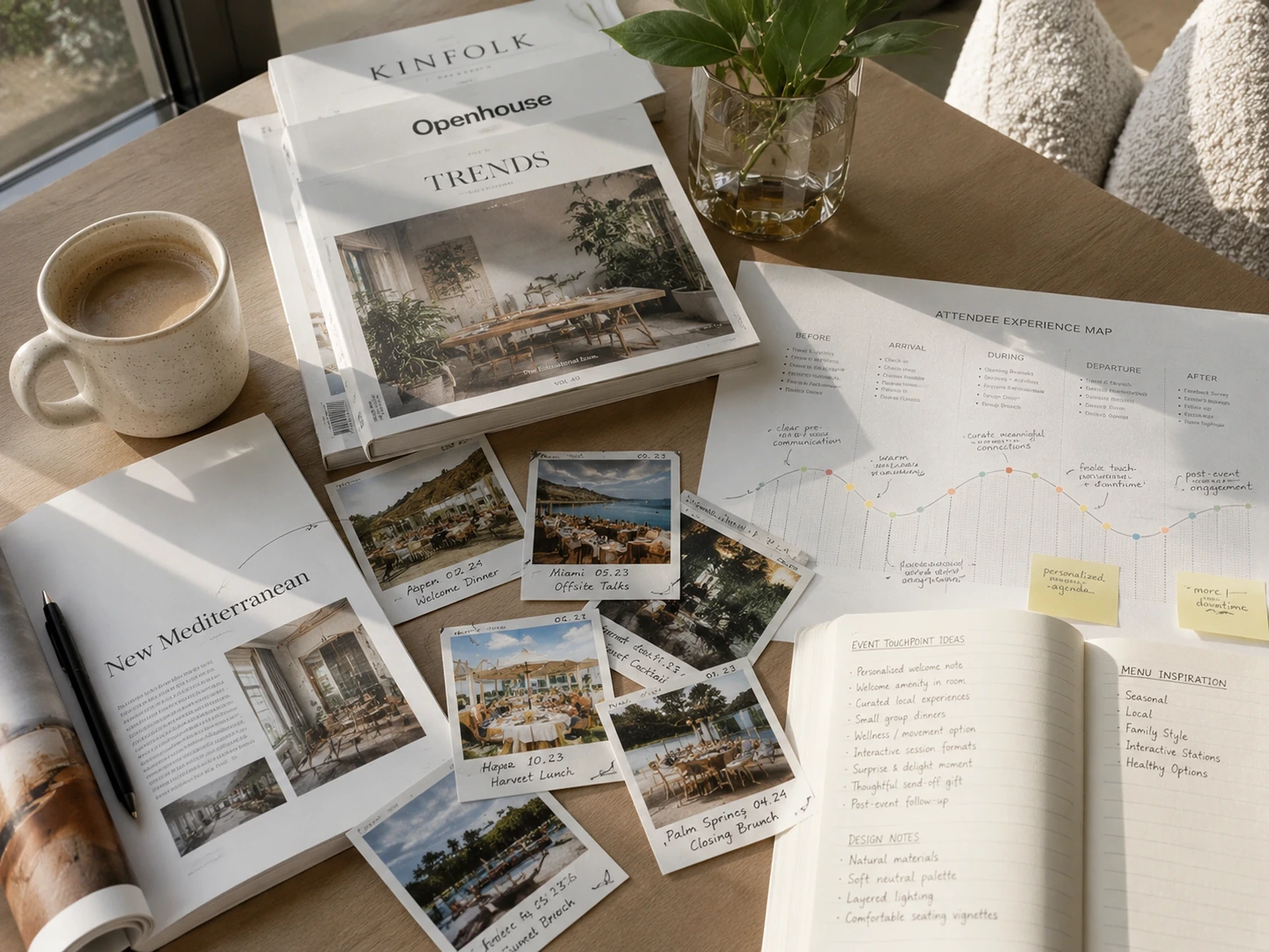
Artificial intelligence is enabling a level of event personalization that was previously impossible at scale. From AI-curated agendas that adapt to individual interests, to intelligent matchmaking that connects attendees with the right people, to real-time sentiment analysis that helps organizers adjust pacing and content on the fly — the technology is transforming the attendee experience.
The key is subtlety. The best AI-powered features are invisible to the user. A personalized schedule that surfaces relevant sessions based on role, industry, and stated goals feels helpful, not intrusive. A networking recommendation that connects a startup founder with the right investor feels like serendipity, not surveillance.
Practical Applications
- AI-generated personalized welcome packages based on attendee profiles
- Dynamic signage and wayfinding that adapts to crowd density in real time
- Post-event content recommendations based on session attendance patterns
- Chatbot concierges that answer logistical questions instantly
- Predictive catering that reduces waste by forecasting consumption
6. The Rise of Micro-Events
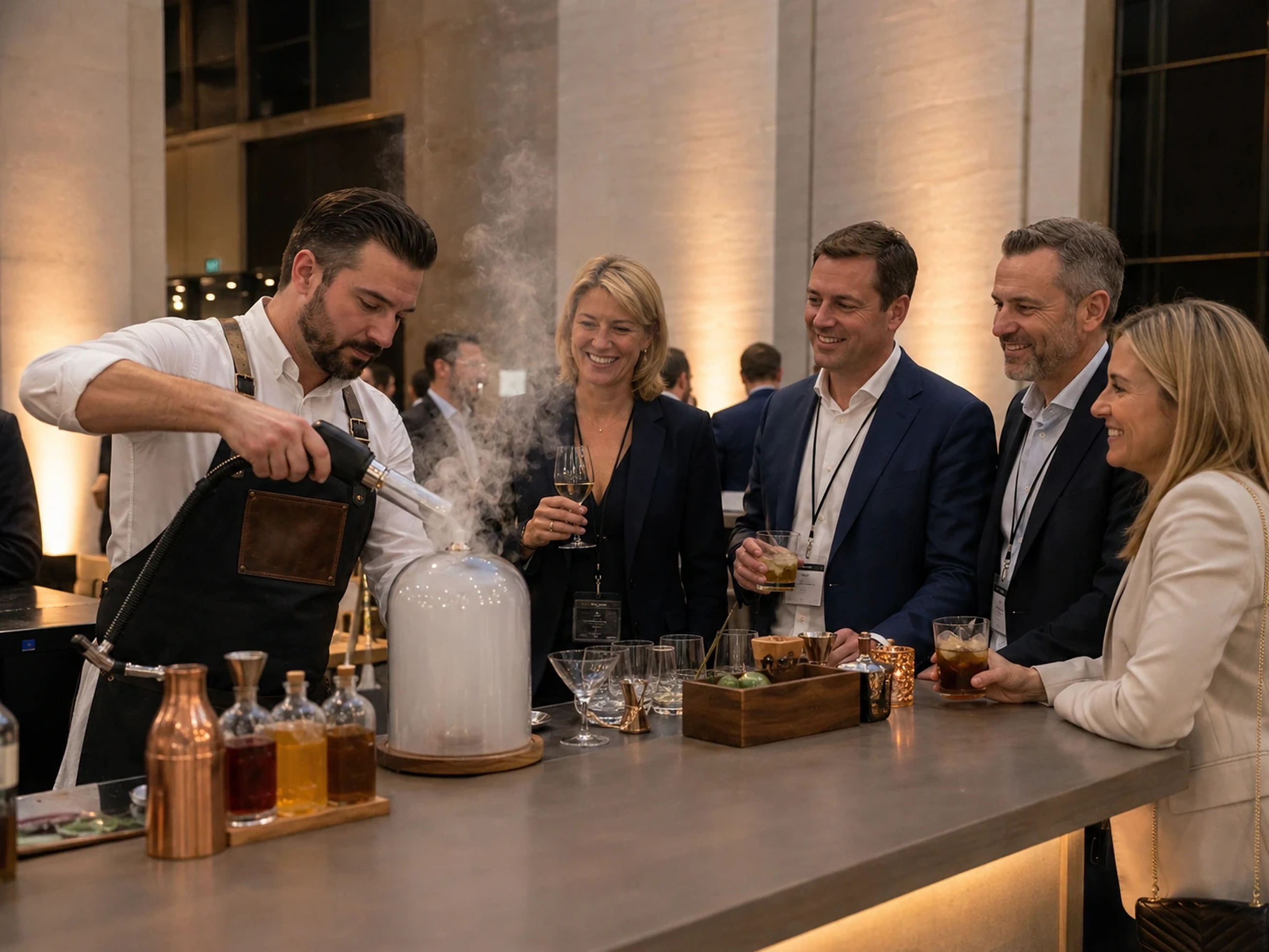
Alongside the mega-conference, a counter-trend is emerging: the curated micro-event. Intimate gatherings of 20 to 50 carefully selected participants, designed for depth over breadth. These events prioritize meaningful connection, candid conversation, and shared experiences that are impossible in a ballroom of a thousand.
Micro-events work particularly well for executive retreats, client appreciation dinners, thought-leadership roundtables, and high-value networking. The smaller format allows for higher production value per guest, more adventurous venue choices — a private vineyard, a chef's table, a gallery after hours — and programming that adapts in real time to the interests of the room.
Quality Over Quantity
The most strategic organizations are shifting budget from one annual mega-event to a series of quarterly micro-events. The result is more touchpoints, deeper relationships, and a brand presence that feels consistent rather than annual. Each micro- event becomes a chapter in a larger narrative, building momentum and loyalty over time.
The corporate events of 2025 are defined by intentionality. Whether you are hosting a thousand or twenty, the organizations that treat every gathering as a brand experience — not a logistical exercise — will be the ones that earn lasting attention, loyalty, and advocacy.